The ongoing conflict in the Middle East war 2026 escalated rapidly in recent days, raising global concerns about regional security and economic stability. The war involving Iran, Israel, and the United States has expanded beyond direct battle zones and is now affecting several Gulf countries including the United Arab Emirates (UAE).
Dubai, one of the most important global financial and tourism hubs, has also felt the impact of the growing tensions.
Missile and Drone Attacks
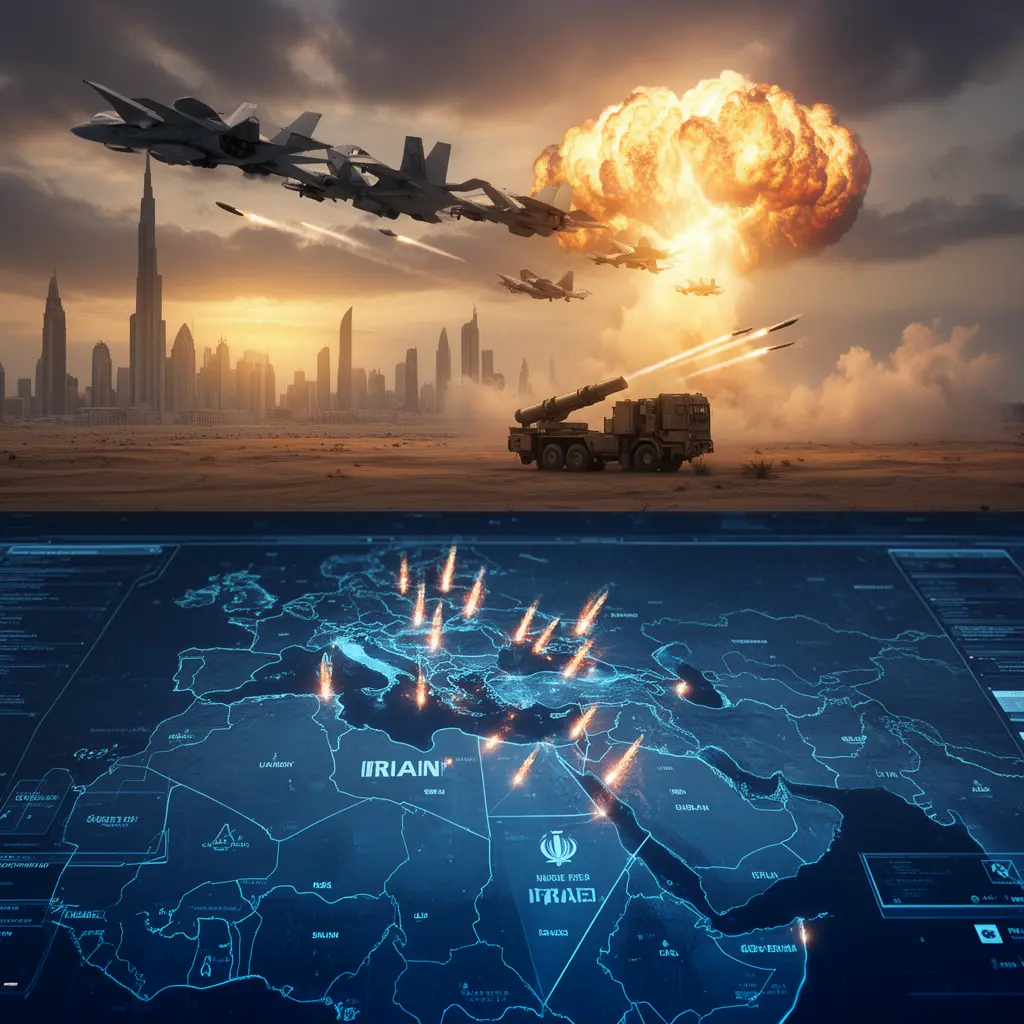
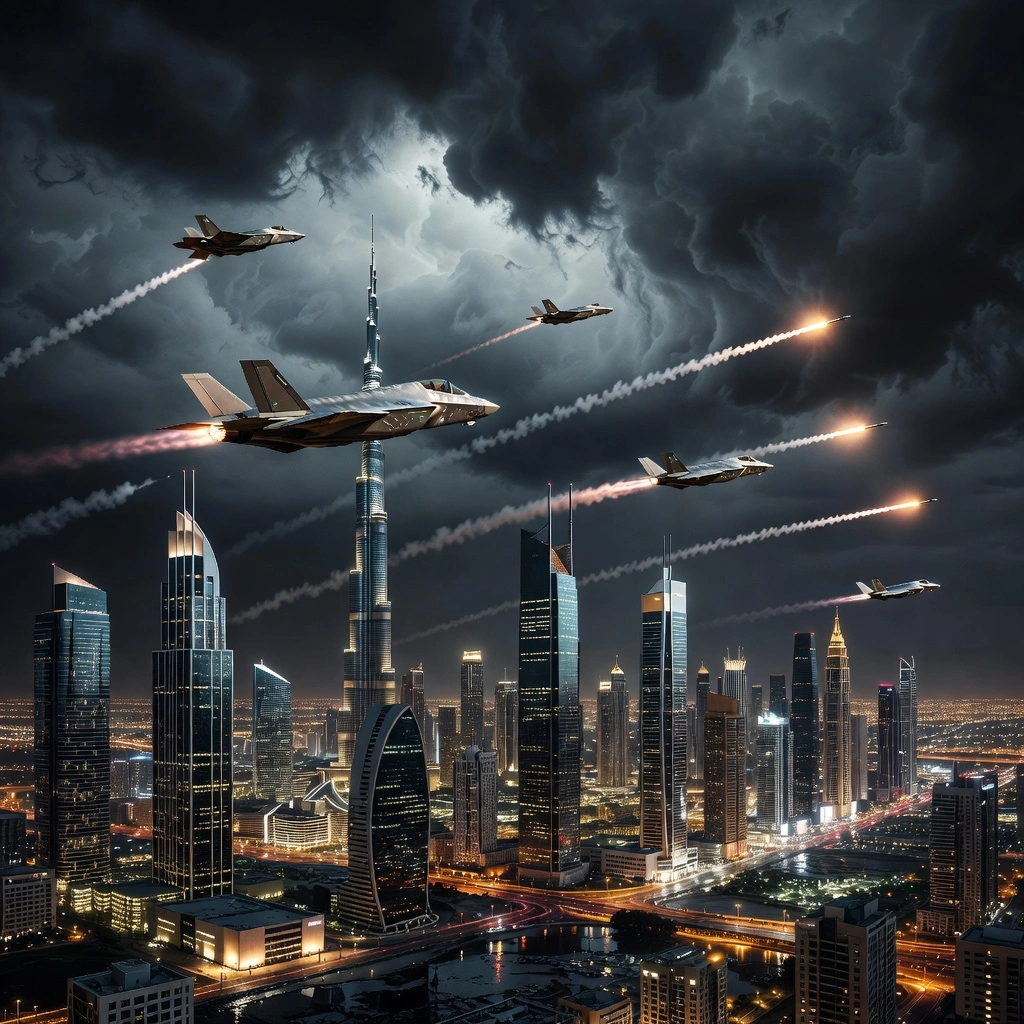
According to reports, Iran launched multiple missiles and drones toward targets across the region following military strikes against its leadership and infrastructure. Several of these threats were detected heading toward the UAE, prompting the country’s air defense systems to intercept them.
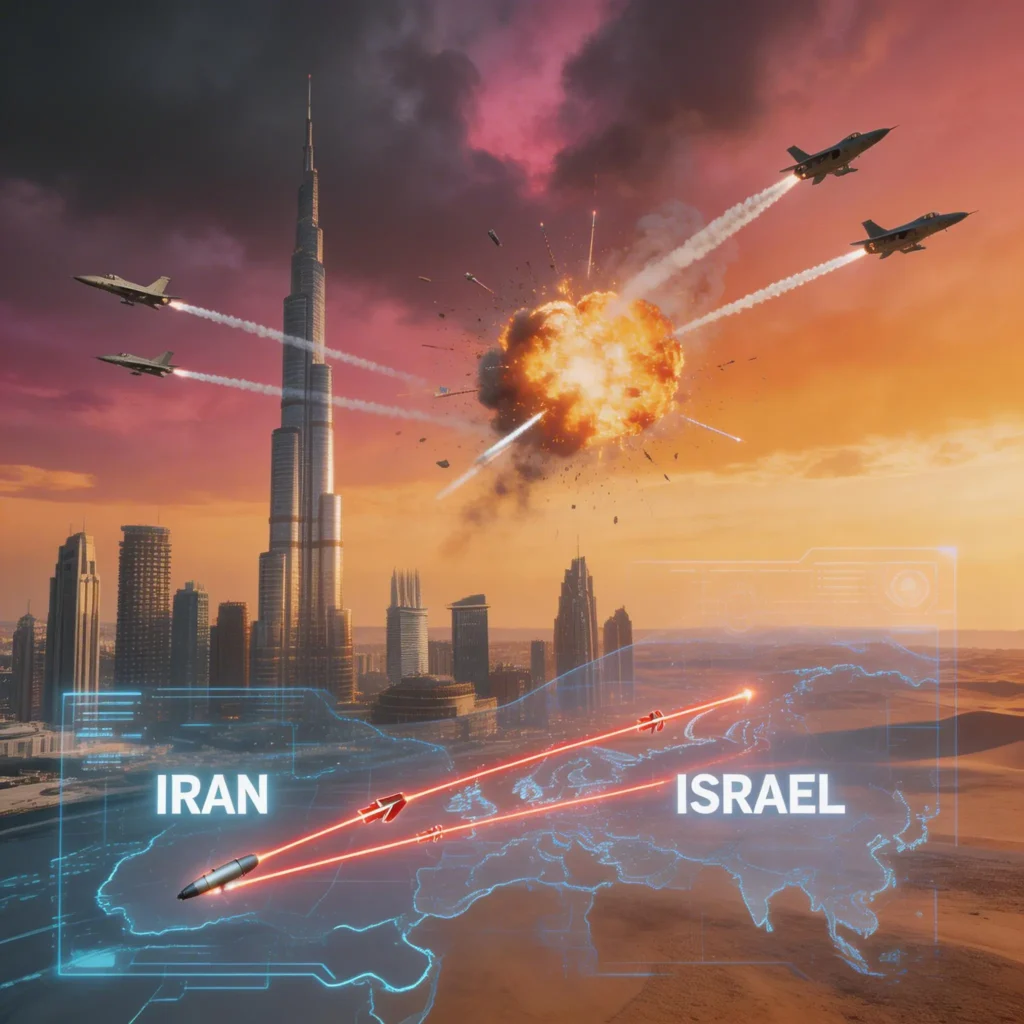
Authorities confirmed that most of the missiles and drones were destroyed before reaching major populated areas, preventing large-scale damage.
Impact on Dubai
Although Dubai has not experienced large-scale destruction, the situation has created widespread concern among residents and travelers.
Several developments have been reported:
- Temporary suspension of flights in some Middle East war 2026 routes
- Increased air defense activity
- Public safety alerts issued to residents
- Limited damage caused by debris from intercepted missiles
Despite these challenges, Dubai authorities have assured residents and tourists that security systems remain fully operational.
Global Economic Impact
The conflict is not only affecting regional security but also global markets. Oil prices have fluctuated, international flights have been disrupted, and many travelers are reconsidering trips to the Middle East war 2026.
Dubai’s aviation sector, including major airlines, has had to adjust schedules and temporarily suspend some routes due to the ongoing tensions.
Safety Measures
The UAE government has implemented several measures to ensure safety:
- Strengthening air defense monitoring
- Issuing official alerts to residents
- Monitoring airports and key infrastructure
- Coordinating with international partners
Authorities have also urged the public to rely only on official sources for updates and avoid spreading unverified information.
Conclusion
The Middle East war 2026 continues to evolve, and its effects are being felt across the region. While Dubai remains largely secure, the ongoing conflict between Iran, Israel, and the United States has increased geopolitical tensions and created uncertainty.
The coming weeks will be critical in determining whether the conflict escalates further or diplomatic efforts help restore stability in the region.
Middle East War 2026: Major Harms and Global Consequences
The Middle East War 2026 has created serious challenges for countries across the region and has also affected the global community. Conflicts between nations often bring destruction, economic loss, and humanitarian crises. The ongoing tensions involving Iran and Israel have increased concerns about regional stability and the safety of millions of people.
Humanitarian Crisis
One of the biggest harms of the conflict is the humanitarian impact on civilians. War often forces people to leave their homes, leading to large numbers of displaced families. Many civilians struggle to find food, clean water, and medical support during times of conflict. Hospitals and emergency services in affected areas become overwhelmed as they try to treat injured people and provide essential care.
Children and elderly people are usually the most vulnerable during wars. Schools may close, and many families lose their livelihoods. This creates long-term social problems that can take years to recover from even after the conflict ends.
Economic Damage
Another major harm of the war is the economic damage it causes. The Middle East war 2026 region is very important for global oil production and trade. Because of this, any conflict can lead to instability in global markets. Rising tensions often cause oil prices to fluctuate, which affects transportation costs, business operations, and consumer prices worldwide.
Cities such as Dubai in the United Arab Emirates are global business and tourism hubs. Although these cities may not be directly involved in the fighting, regional instability can still affect tourism, airline routes, and investor confidence.
Security and Political Instability
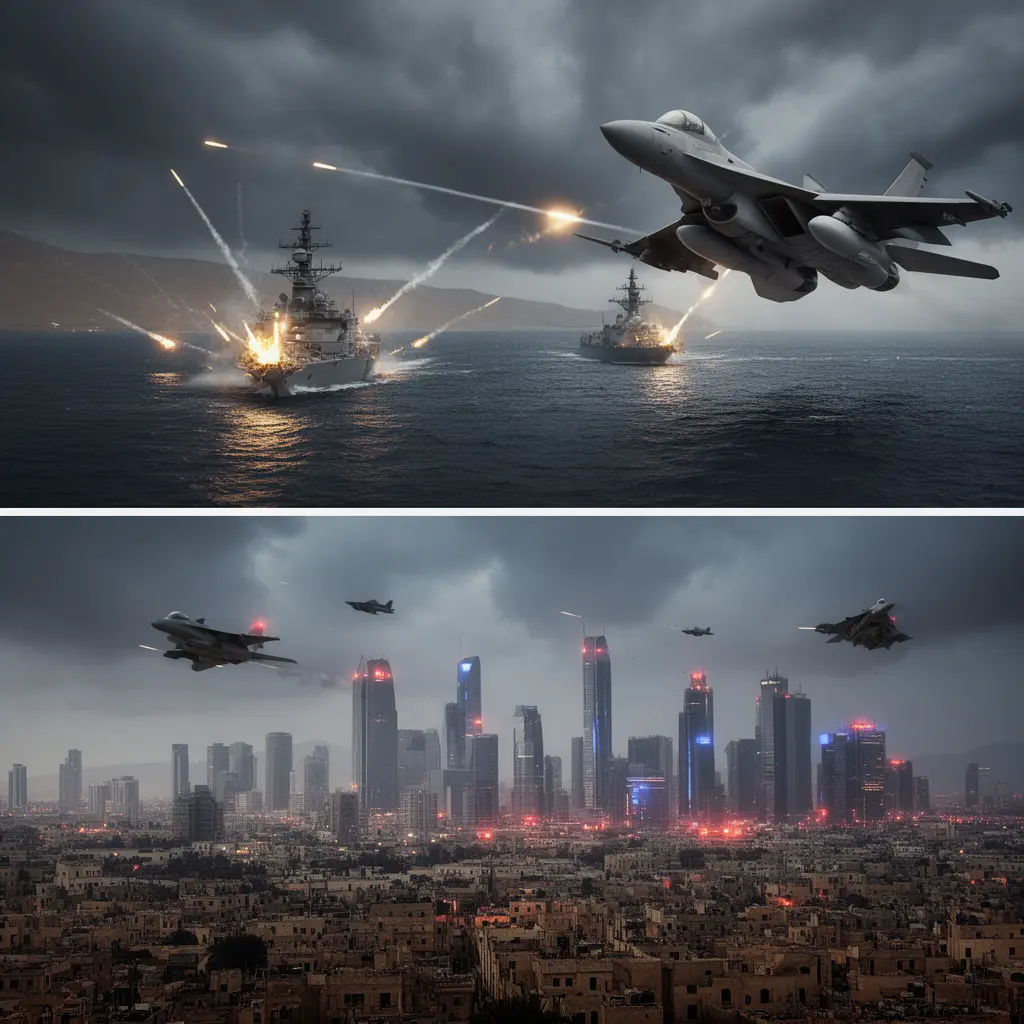
War also increases security risks across neighboring countries. Governments strengthen border security, increase military readiness, and invest more resources into defense systems. These actions can place financial pressure on national budgets.
Political relations between countries may also become more complicated. Diplomatic ties can weaken, and international cooperation may slow down as governments focus on national security priorities.
Long-Term Global Impact
The long-term consequences of the conflict may extend far beyond the Middle East war 2026. Global supply chains, international trade, and energy markets can all be affected by instability in the region. Countries around the world closely monitor developments and encourage diplomatic solutions.
In the end, wars bring more harm than benefit. Peaceful negotiations, cooperation, and international dialogue remain the most effective ways to resolve conflicts and restore stability in the region. Many global leaders continue to call for restraint and constructive discussions to prevent further escalation.
You can write in paragraph:Recent tensions between Iran and Israel have increased security concerns in the region.➡ Internal Link: Read more about the Iran–Israel conflict